Container loading was scheduled for the next day. Then the customer came back with a few more requests.
They wanted to add products, fit as much as possible into a 20-foot container, and take some goods out of the packed pallets to send by air for an exhibition.
Each request made sense. The challenge was coordinating them all at short notice—over a weekend.
Four changes before loading
The shipment included goods from several suppliers. With loading approaching, we had four things to work through.
1. Unpack some pallets to fit the goods into one container
The pallets could not be stacked. To fit the shipment into a single 20-foot container, some pallets needed to be unpacked so the goods could be loaded differently.
This meant revisiting packing arrangements that had already been made.
2. Check whether the factory could make more products in one day
The customer wanted to use as much of the container space as possible. They asked whether the factory could produce additional items within the remaining day.
That required checking what was actually possible with the factory before confirming anything to the customer.
3. Take out products for air freight
Some of the packed products were needed for an exhibition. The customer wanted those items removed from the pallets and sent by air instead of travelling with the sea shipment.
We needed to make sure the instructions were clear about which goods should be taken out and which should stay.
4. Add new products from other suppliers
The customer also wanted to get additional products from other suppliers into the same container.
Those additions had to be coordinated alongside the existing goods and the other packing changes.
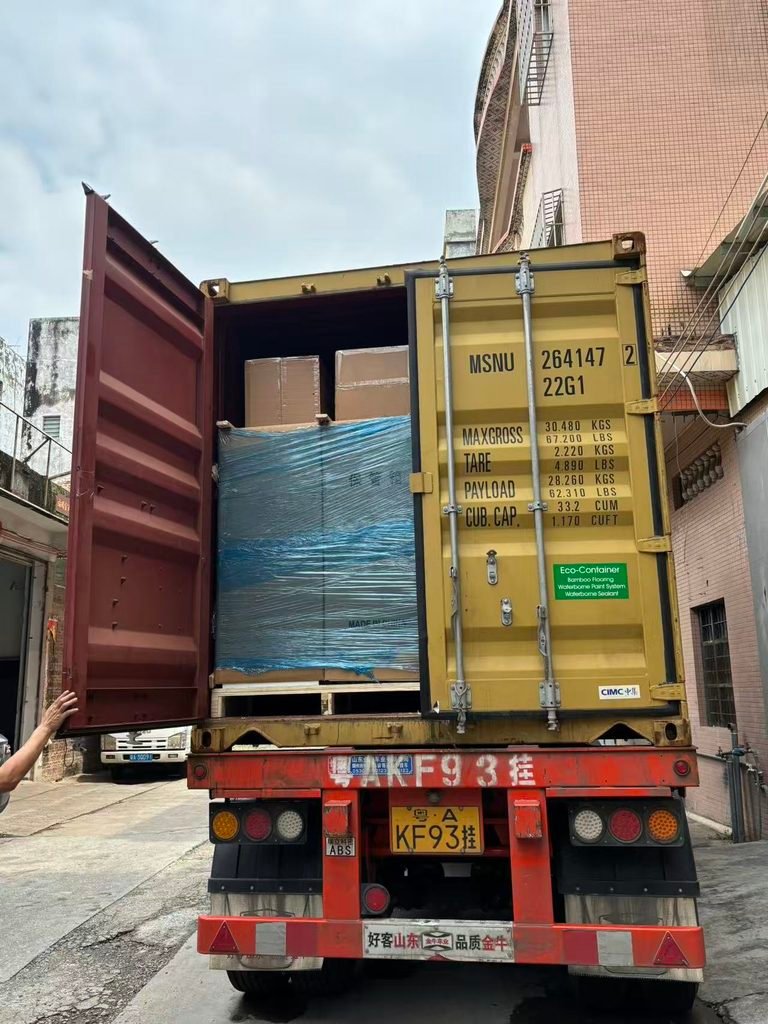
The difficult part was connecting everyone
None of these requests existed on its own.
Adding products affected the available space. Opening pallets affected the loading arrangement. Taking goods out for air freight changed what would remain in the container.
Several suppliers and departments needed to work from the same instructions. It was also the weekend, when factory sales teams were generally off work, making communication less straightforward.
Once we understood what the customer wanted, a large part of our job was to act as a precise messenger.
That meant more than forwarding messages. We had to turn the requests into specific actions, get answers from the people involved, and make sure those answers reached whoever needed them next.
Could more products be made in time? Which pallets needed to be opened? Which goods were going by air? What else could still join the shipment?
We worked through the requests one by one until each had been resolved.
A part of sourcing work people rarely see
From the customer’s side, these were reasonable changes: make better use of the container and get the exhibition products there sooner.
On our side, they meant getting several suppliers and teams working toward the same plan, with loading scheduled for the next day.
This is a part of sourcing work people rarely see. Finding products is only part of the job. There are also days spent making sure a change in one conversation becomes a clear instruction somewhere else.
The container was due to be loaded the next day. By the end of this one, everyone knew what needed to go where.